Search support
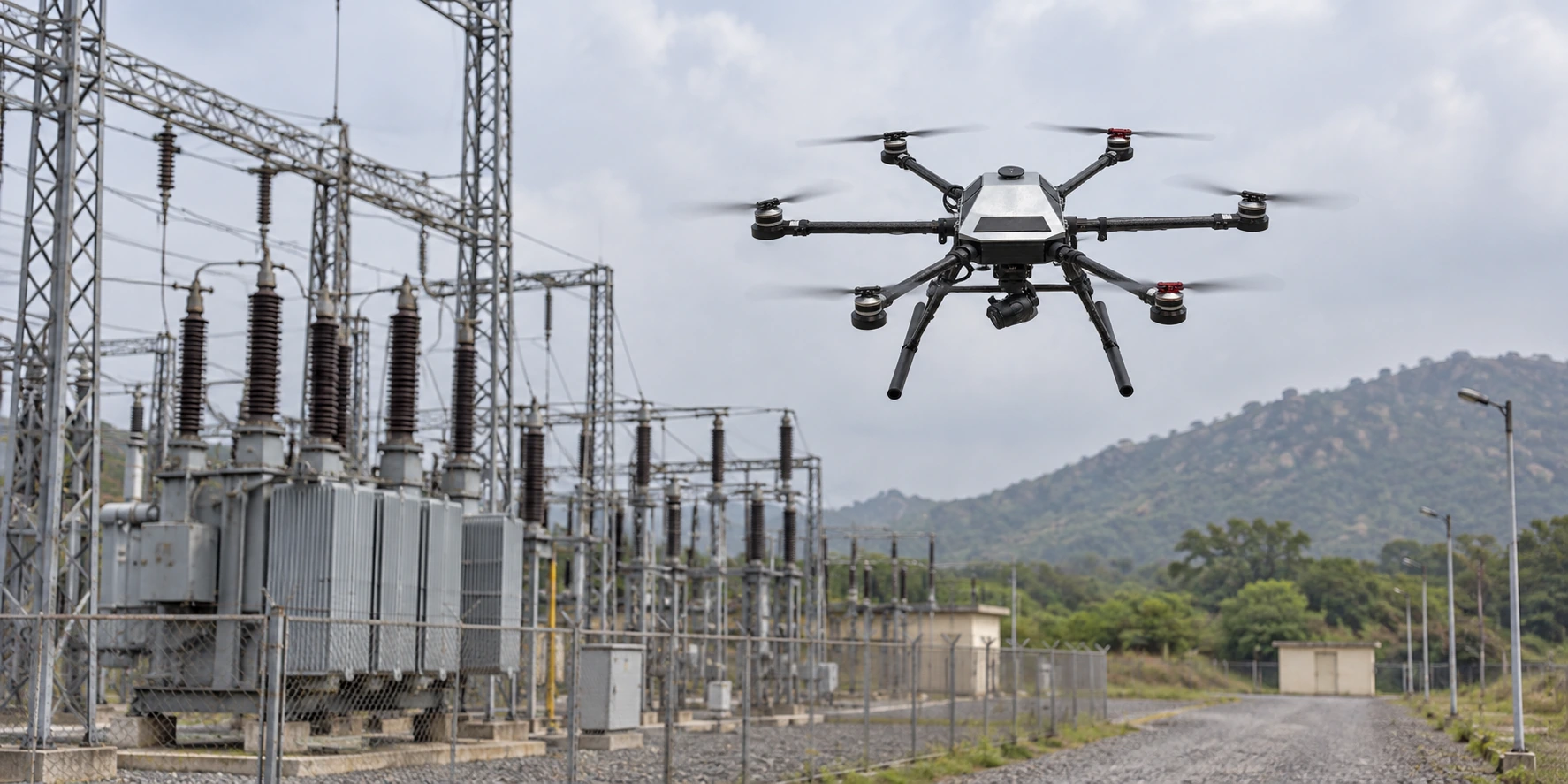
Bring visible-light and suitable thermal imagery into a supervised search workflow, with observations interpreted by the response team.

Rescue Operations
Support search, assessment and coordination with a view beyond the immediate ground position. Configure the aircraft and imaging around the response team and the conditions they face.
Discuss response-team requirements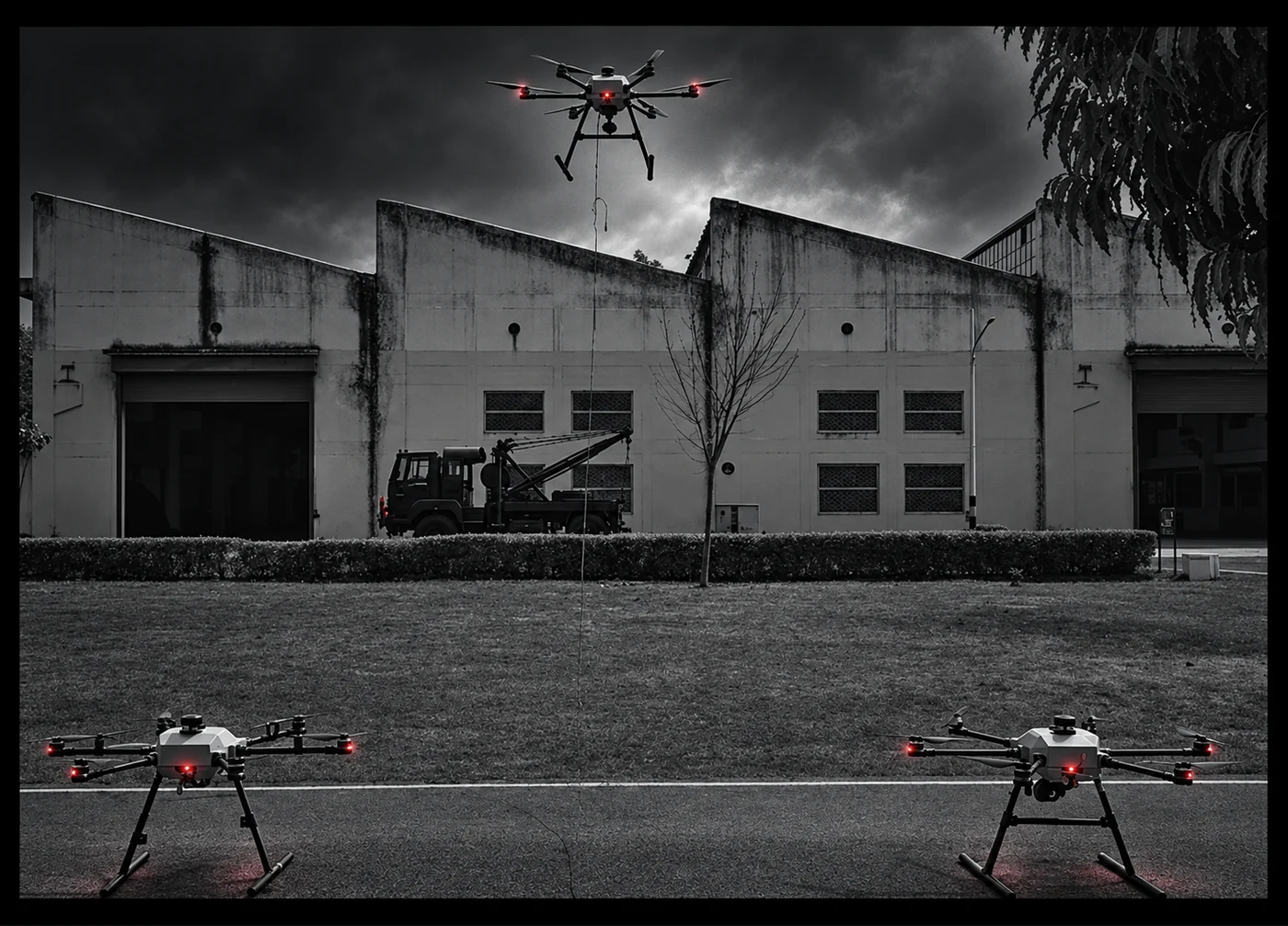
THE OPERATING NEED
Search and disaster-response teams need a shared understanding of terrain, access and changing conditions. An aerial observation platform can help them assess an area and communicate what is visible to the people coordinating the response.
A mobile camera aircraft and a tethered observation system serve different roles. Thermal imaging may help teams examine a scene after dark, while sustained observation or aerial lighting may suit a fixed response location. The configuration is selected around the task and available ground support.
AREAS OF FOCUS
Bring visible-light and suitable thermal imagery into a supervised search workflow, with observations interpreted by the response team.
Review access routes, terrain and the wider scene from above to support planning and coordination on the ground.
Consider tethered imaging or an appropriate lighting configuration when a fixed vantage point and ground power are available.
THE APPROACH
Define what the aerial team needs to observe, who will receive the information and how it supports the wider operation.
Match mobility, imaging, transport and ground-power needs to the location and expected operating period.
Agree operating responsibilities, communications, equipment checks and image-review procedures before deployment.
RELEVANT PLATFORMS
Surveillance
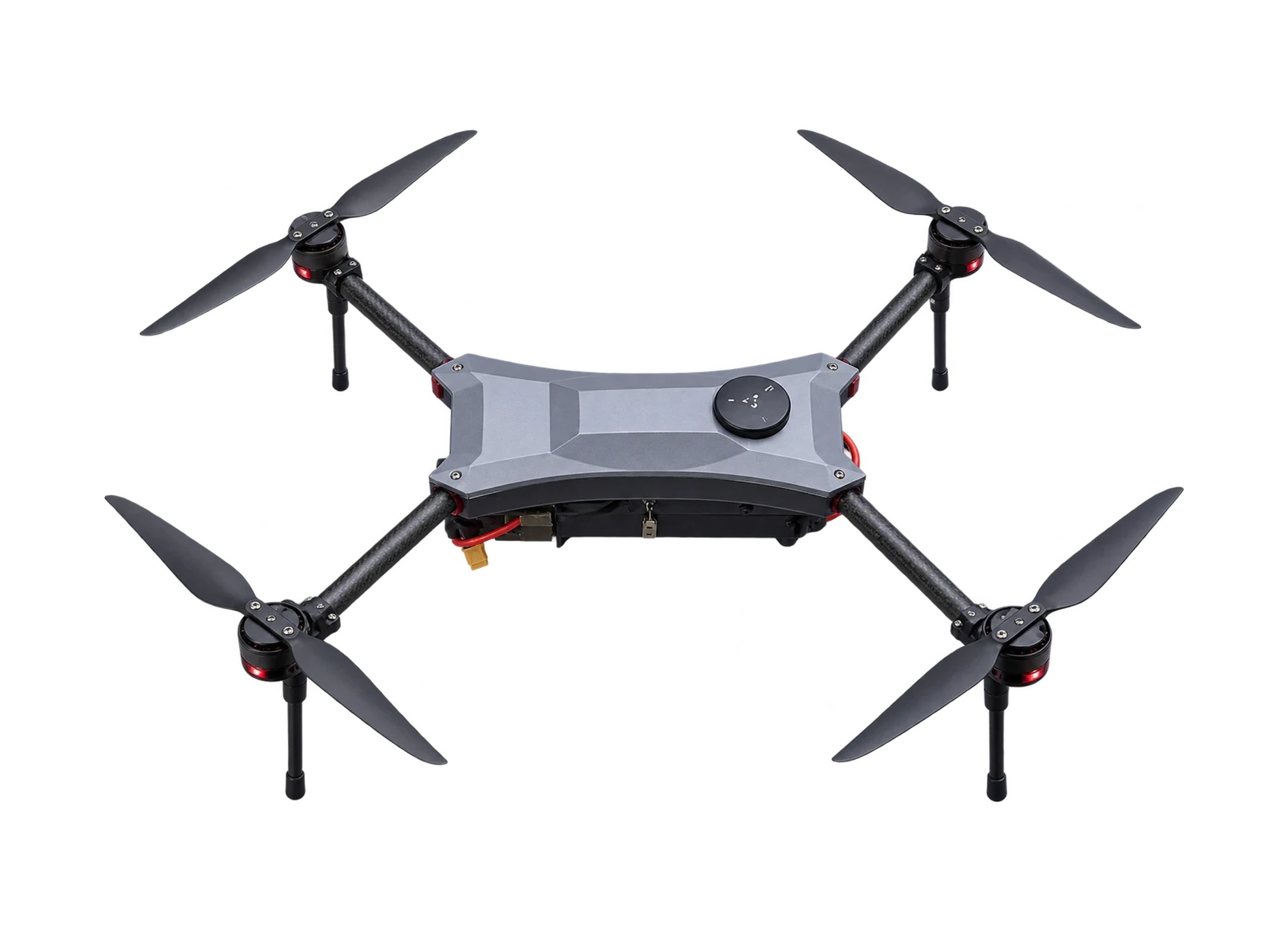
Two ways to see. A compact quadcopter combines optical detail with thermal awareness for inspection, search and observation after dark.
Tethered systems
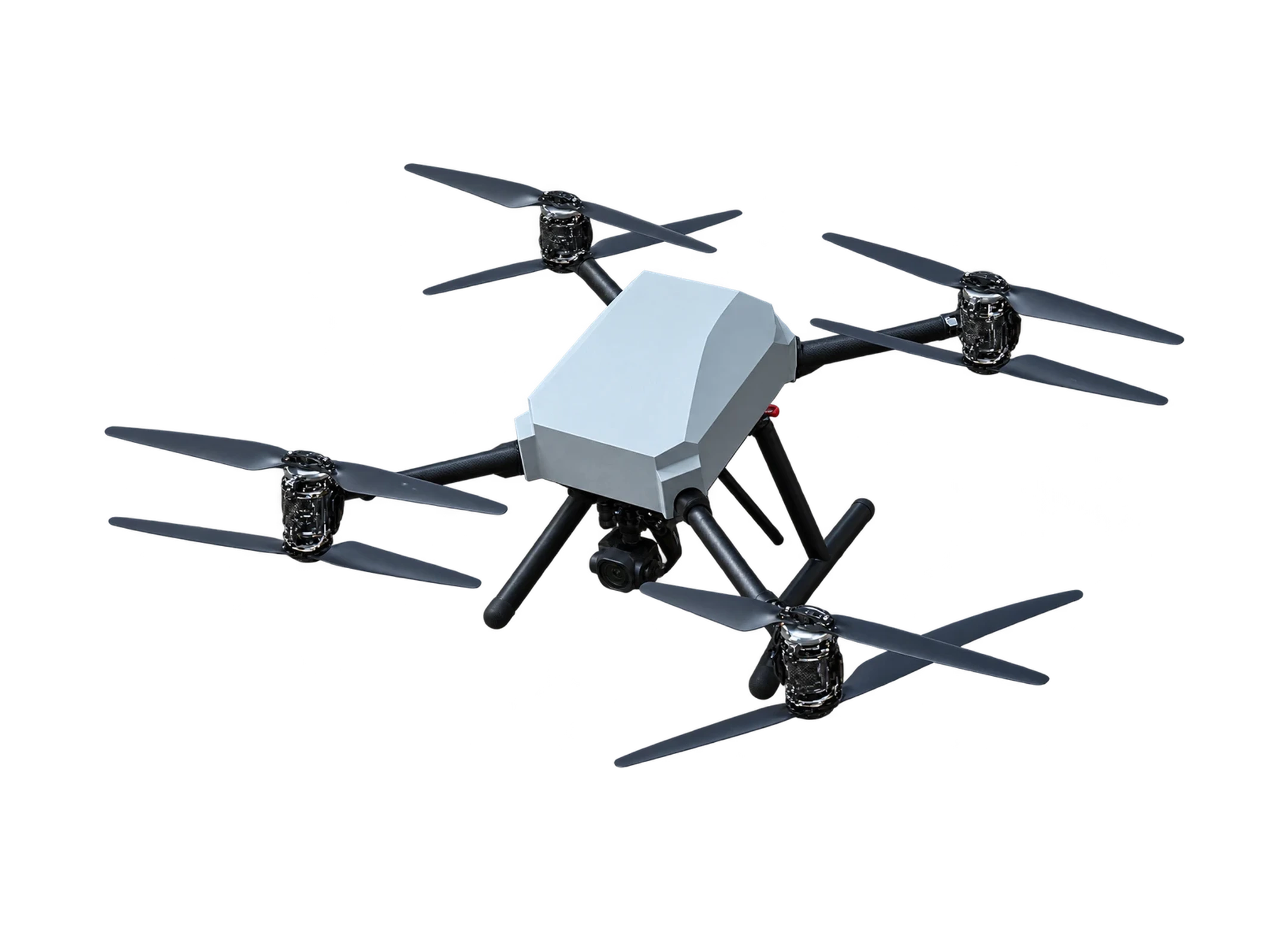
Eight rotors in a compact coaxial arrangement. A tethered architecture with capacity for more demanding observation payloads.
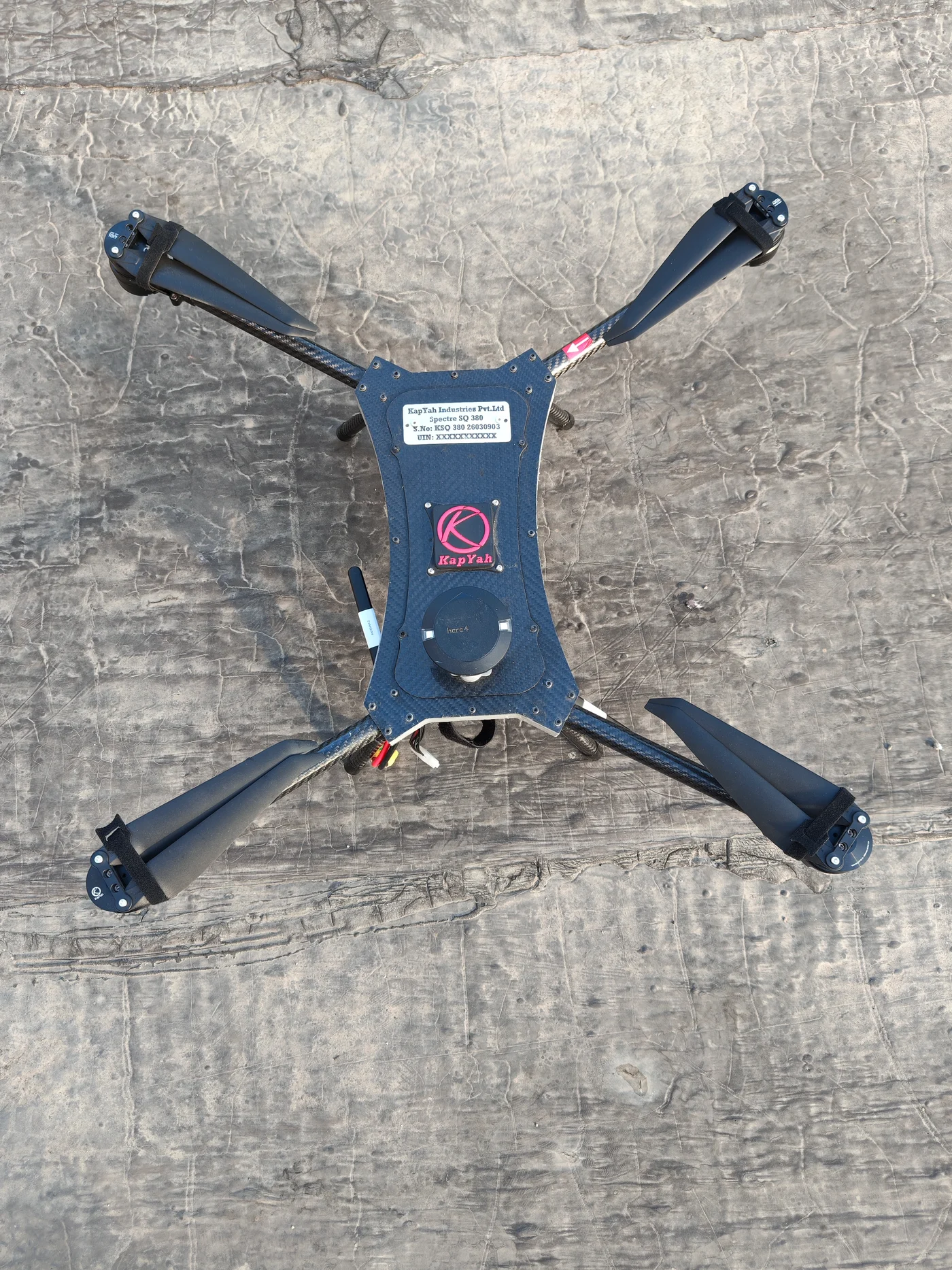
Surveillance
A surveillance quadcopter platform for field observation and configurable sensor integration.
PLAN YOUR NEXT STEP
Share the context with our team so the conversation can focus on the right equipment, workflow and support.
Discuss response-team requirements