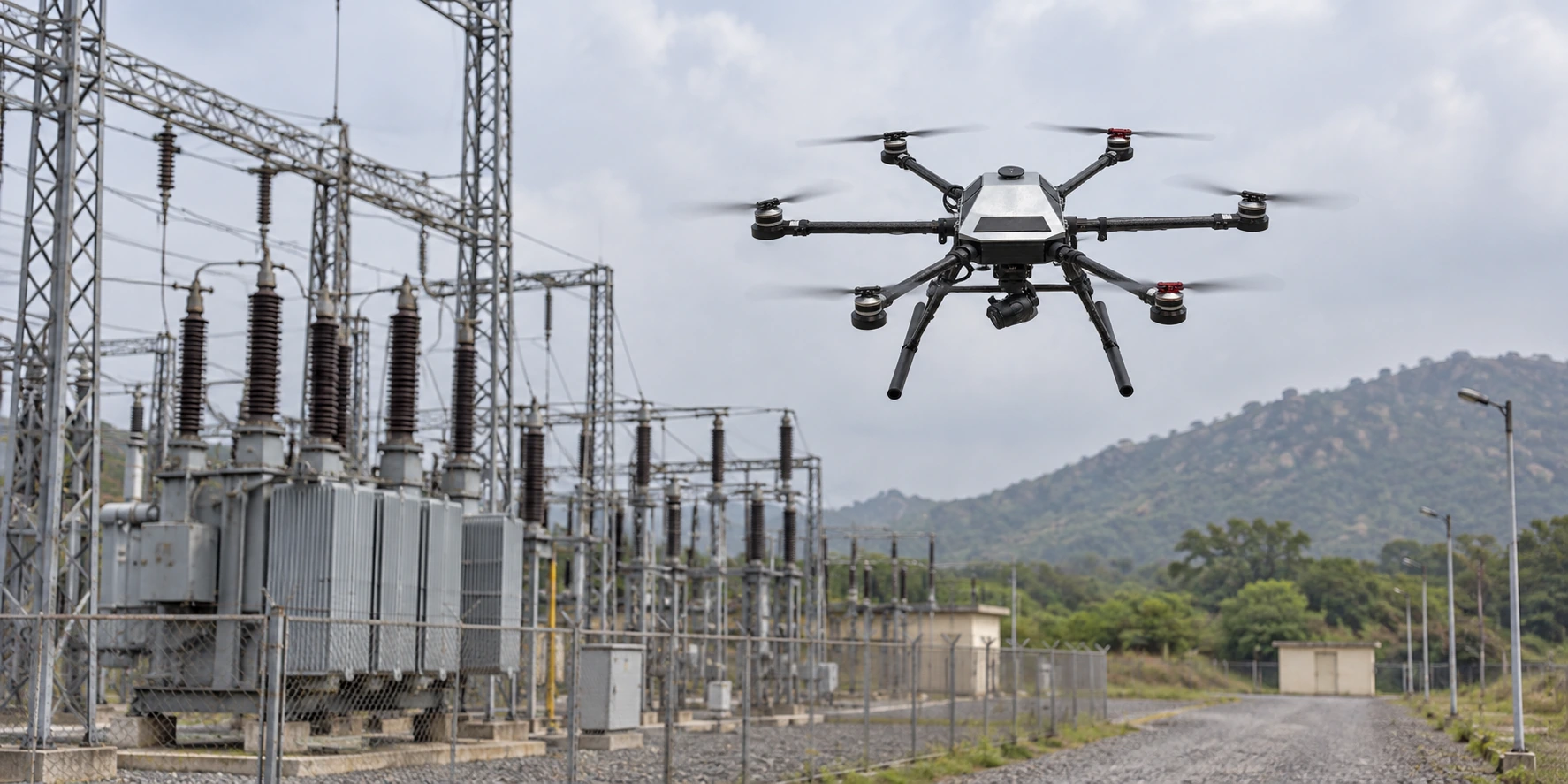
Aircraft systems
Help learners connect structures, propulsion, batteries, sensors and flight-control concepts to a working platform.

Drone Labs
Create a hands-on environment where students and teams can understand, assemble and test unmanned aerial systems around a clear learning objective.
Plan a drone lab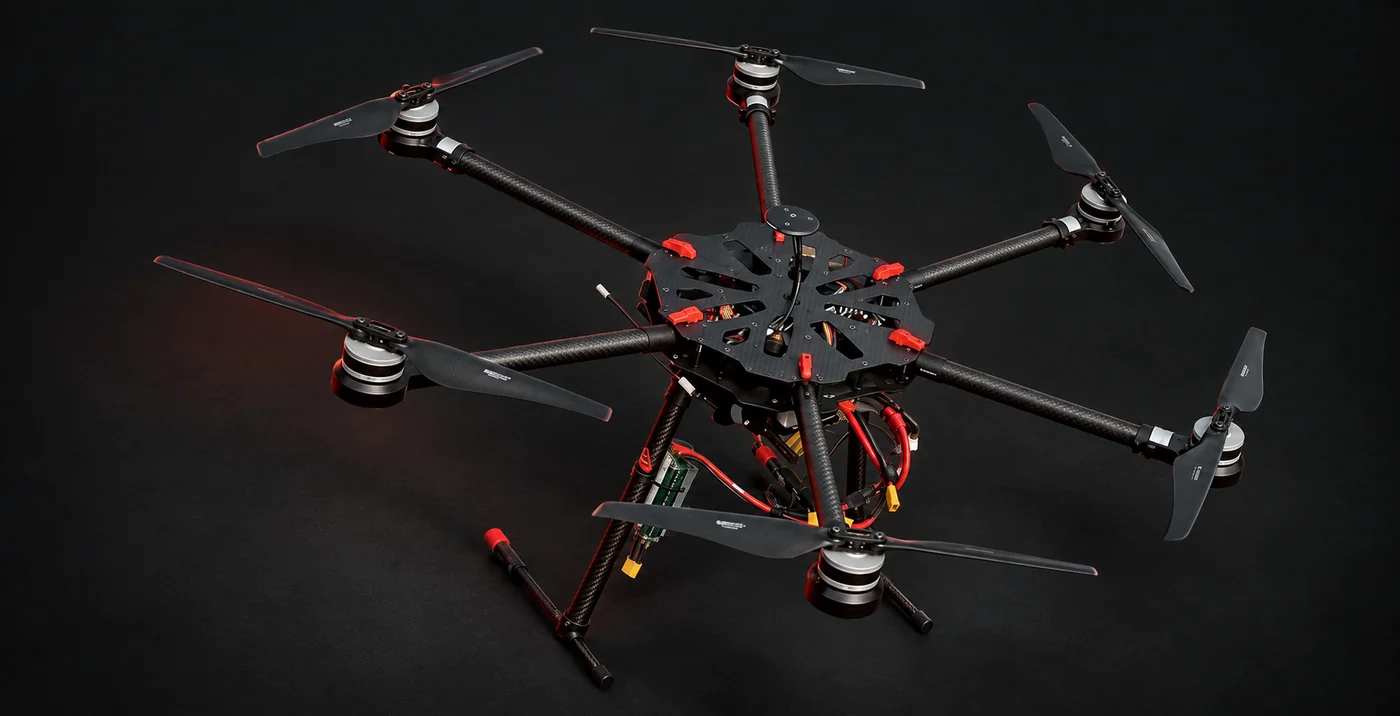
THE OPERATING NEED
A practical drone lab connects aircraft systems, electronics, software and operating discipline with visible experiments and projects. The right setup depends on the curriculum, learner level and available space.
KapYah can help scope the aircraft, components, tools and supporting activities around the institution’s learning goals and the projects the lab should enable.
AREAS OF FOCUS
Help learners connect structures, propulsion, batteries, sensors and flight-control concepts to a working platform.
Plan tools, equipment storage, inspection areas and supervised demonstration arrangements for the lab.
Shape activities around observation, assembly, integration, testing and review at the appropriate level.
THE APPROACH
Identify the courses, outcomes, learner groups and project types the lab should support.
Agree the aircraft, components, tools, software and supporting material needed for those activities.
Discuss installation, instructor orientation, equipment care and the first workshop programme.
PLAN YOUR NEXT STEP
Share the context with our team so the conversation can focus on the right equipment, workflow and support.
Plan a drone lab