A different energy architecture
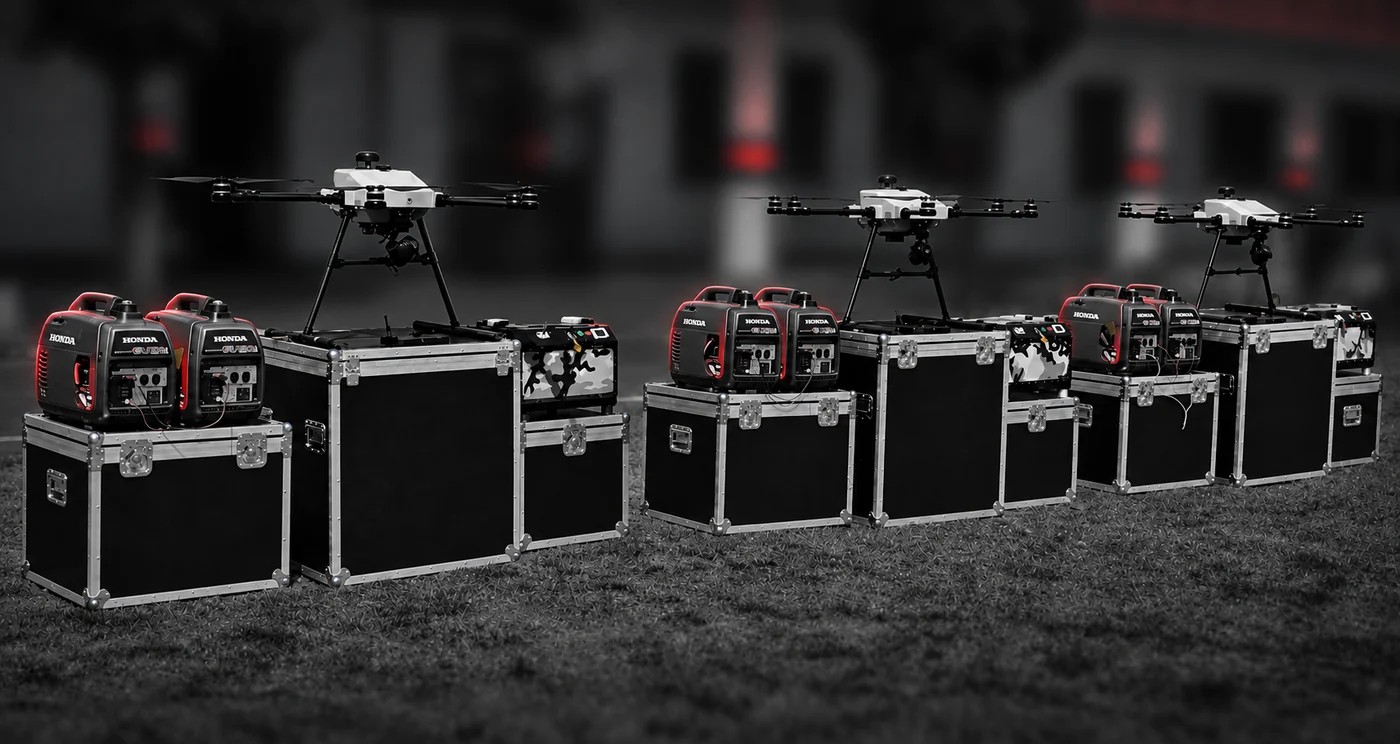
A tethered UAV connects to equipment on the ground through a physical cable. Power reaches the aircraft through this connection, while a tether channel supports communication. The arrangement is suited to observation missions that need a persistent position rather than a long-distance flight.
Continuity at the point of observation
Ground power reduces dependence on repeated battery landings. A connected architecture supports sustained monitoring and a stable data path while the aircraft remains within its operating area.
- Persistent hover and aerial observation
- Power supplied from the ground
- Communication through the tether
- Recurring surveillance from a fixed location
Where the architecture fits
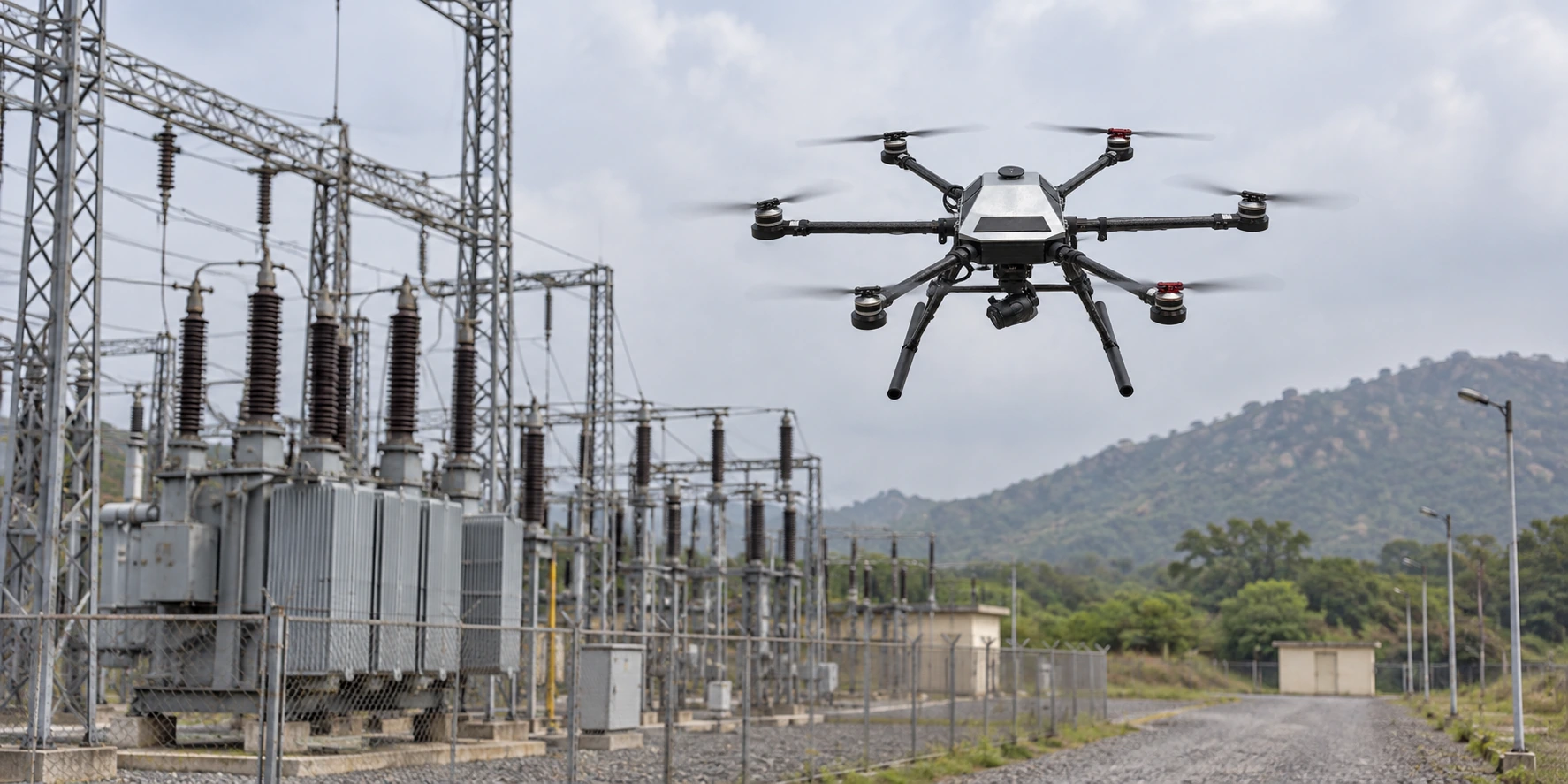
The original KapYah article identifies security perimeters, temporary communications, emergency command points, industrial awareness, and live-event observation as relevant applications. The choice depends on the ground footprint and the information the operation needs.
Engineering the connection
Tethered development includes power-management electronics, data channels, and station-keeping control. KapYah’s article also discusses future uses in environmental observation, critical-site protection, and temporary emergency communications. These are application directions rather than claims of a specific deployment.
Choose around the mission
A physical connection trades freedom of movement for sustained aerial presence. For missions covering long distances, an untethered platform may be more appropriate. Aircraft selection should begin with this distinction.